
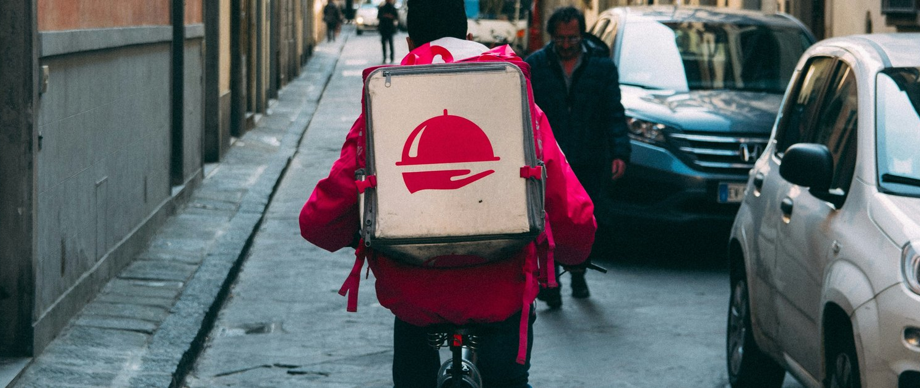
Food delivery apps make dinner effortless for customers while making work complicated for others.
Students order food during late study nights, bad weather, or busy schedules. The app makes the process feel simple: tap, wait, eat.
For students preparing to enter the workforce, this issue matters because it affects the first steps into adult independence. It shapes how we earn, spend, save, learn professional habits, and imagine what a stable future should look like.
Behind that simplicity are restaurants managing fees, drivers racing against time, and workers absorbing risks from traffic, weather, low tips, or unclear platform rules.
Delivery apps can help small restaurants reach customers and give workers flexible income. The problem is when convenience depends on unstable labor and hidden costs.
Platforms should be more transparent about pay, fees, and worker protections. Customers can tip fairly, avoid unnecessary urgency, and remember that delivery is human work, not just an app function.
Convenience feels magical when labor is invisible. A fairer system begins by seeing the people who bring the meal to the door.